

全国客服热线:
185-5442-6967
185-5442-6967
了解手动和电动托盘车之间的差异是学习怎样在任何设备中安全运用托盘车的要害。手动托盘车完全依赖操作员的力气来牵引,并且依托一个小的液压泵来前进,因而负载重量、地上状况和操作员的力气激烈影响安全运用。电动托盘车添加了动力牵引和前进,这减少了物理担负,但也带来了新的风险,例如更高的跋涉速度、电池风险以及在低前进高度下(一般在10英寸以下)移动更重负载(一般可达约5,000磅)的或许性,而叉车一般前进得更高关于手动卡车,运用前的液压检查至关重要:操作员应承认平稳前进,检查是否有泄露,假如在长时间放置后体系中进入了空气,应将叉子放下,循环操作手柄4-6次,直到恢复正常操作以恢复正常的液压功用。电动托盘车需要额外的工程和程序控制,包含每日对控制、刹车、喇叭和紧迫间断按钮的检查,以及在指定、通风的区域进行安全电池充电,并配有电解质中和、防火保护和严厉控制燃烧源的方法,符合动力工业卡车的要求电动托盘车操作员还有必要遵守班后程序:停在指定区域,封闭电源,启用紧迫间断,并在穿戴恰当的防护设备后衔接充电器,一同承认充电器正常启动,然后向主管陈述任何异常情况。
明晰的操作员人物和结构化的练习是运用手动托盘搬运车安全的必要根底,尤其是那些符合OSHA工业卡车规则的电动类型。OSHA要求雇主通过正式授课、实践练习和作业场所绩效评估的结合,确保电动托盘车操作员具有才干,并至少每三年进行一次复训,或在产生不安全行为或事情时当即进行依据29 CFR 1910.178。电动托盘车操作员需要正式认证,而手动托盘车操作员则没有由OSHA明晰认证;然而,最佳实践是练习全部操作员安全操作、负载约束和应急呼应坚持一起的安全标准。练习内容应包括卡车相关的主题,例如控制、容量和安稳性,以及作业场所主题,例如地上条件、行人交通和任何仅允许恰当指定的工业卡车(例如在易燃气体或粉尘区域的EX 类型)的当地,以避免易燃混合物的燃烧。主管通过实行日常检查、在修正前将有缺点的电动卡车停用以及确保操作员穿戴恰当的工装、安全鞋和手套,在托盘车运用周围营建更广泛的安全文明中发挥要害作用。

每日检查是运用托盘车的第一个控制进程,以确保其安全运用并坚持其作业状况。操作人员应扫描车轮以根除碎片,检查货叉是否有弯曲或裂缝,并留意任何不流转的操纵杆移动以便进行后续维护每日目视检查。关于长时间未运用的手动卡车,空气或许会进入液压回路;下降操纵杆,然后泵送4-6次并释放,重复此进程直到前进感觉滑润和一起以恢复正常操作。任何显着的液压油泄露、损坏的密封件或在测验负载下不能均匀上升的货叉都是将卡车标记为无法运用直到修正的依据。一个简略的结构化检查清单支撑一起的检查质量和记载。
清洁是检查的一部分:擦拭叉子和结构以去除或许躲藏裂纹或泄露的油脂和尘埃作为日常事务。每周和每月的润滑和紧固任务使转向接头、车轴和枢轴点运转顺利,然后减少推力并改善控制。
了解容量、安稳性和重心关于怎样在实践操作中安全运用托盘车至关重要。铭牌或标记界说了最大额定载荷;超过此约束会添加液压单元和结构的应力,并或许导致倾翻或部件损坏当超载至约2500公斤时。货品有必要均匀地分布在两个叉子上,以使组合的重心坚持在由车轮形成的“安稳性三角形”内。不均匀或偏心的装载会将重心横向移动,添加侧翻的风险,特别是在转弯或不平的地板上假如货品没有居中。
从工程学的视点来看,高度和偏移的细小改动或许会明显影响倾覆力矩。坚持叉子低并使货品紧凑,可以减少杠杆臂并在转弯和制动时使重心坚持在轮距内。
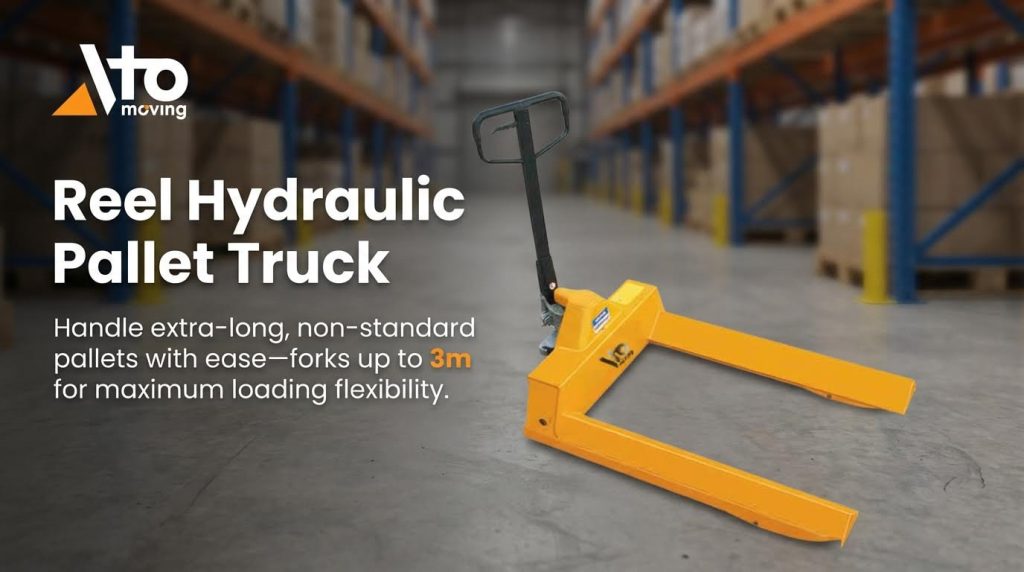
安全操作技能是许多日常关于怎样安全运用托盘车的决议计划会聚在一同的当地。在平坦的地板上,操作员应推从而不是拉,以坚持更好的姿态和视界,并将叉子坚持在离地上2-5厘米(约1-2英寸)的高度,以避免在运输进程中地上碰击,一同坚持货品安稳。有必要坚持跋涉途径清洁,无溢出物、碎片和电线,以避免忽然间断或横向轰动导致卡车不安稳并产生滑倒风险。在坡道或斜坡上,手动卡车应后退下降,以便操作员可以控制速度并坚持货品在上方,避免在坡道上转弯,以减少侧翻风险,并坚持卡车垂直。
要害旅游和斜坡实践在有易燃气体、蒸气或可燃性粉尘的风险场所,只能运用恰当的工业卡车,例如在某些易燃气体或粉尘区域的EX级设备依据工业卡车分类。电池充电和贮存区域也有必要作为受控区域进行处理,具有通风、泄露中和方法和严厉的燃烧源控制以处理烟雾和电解液。选择正确的卡车类型用于分类区域并在这些区域实行跋涉规则是防爆和防火的中心工程控制。
选择适宜的托盘车关于您的地板、通道和环境来说是一个中心部分,怎样安全运用托盘车。在润滑、平整的室内地板上,标准的手动或电动低前进卡车在操作员坚持叉子低并推从而不是拉来坚持控制和减少疲乏的情况下作用很好。安全的做法是使叉子在地板上方约2-5厘米(1-2英寸)的高度跋涉,并在移动之前根除路线上的碎片或湿滑的当地。狭窄的通道和高的人行交通流量一般有利于紧凑、高度可操作的设备和严厉的单向交通形式,以减少碰撞风险。
户外庭院、装卸货渠道以及不平或破损的混凝土需要不同的选择。关于不平或外部表面,配备较大轮子或充气式轮子的卡车可以减少冲击负载,并帮忙在小坡道或门槛上坚持货品安稳。在坡道和斜坡上,操作员有必要控制方向和 orientation;关于手动设备,操作员应沿着货品上坡的方向下降坡道,坚持直线对齐,切勿在坡道上转弯以避免侧翻。在涉及坡道、狭小空间或电梯的当地,地板或升降机有必要可以接受卡车、货品和操作员的总重量,并且货品应先进入,以便操作员可以坚持逃生途径。操作员绝不能运用损坏的卡车,并且有必要在指定区域泊车,将叉子完全放下,远离出口和交通在任何或许涉及风险气氛的使用中,动力工业卡车有必要带有正确的标识(如EX、EE或DY),以符合卡车类型和风险方位的监管分类要求,用于特定的气体、蒸汽、粉尘或纤维。只要通过正确同意的卡车类型才干在存在易燃气体、蒸汽、可燃粉尘或易燃纤维的环境中运转。通过将设备与环境匹配,可以减少事端产生的概率和任何毛病的严重性。
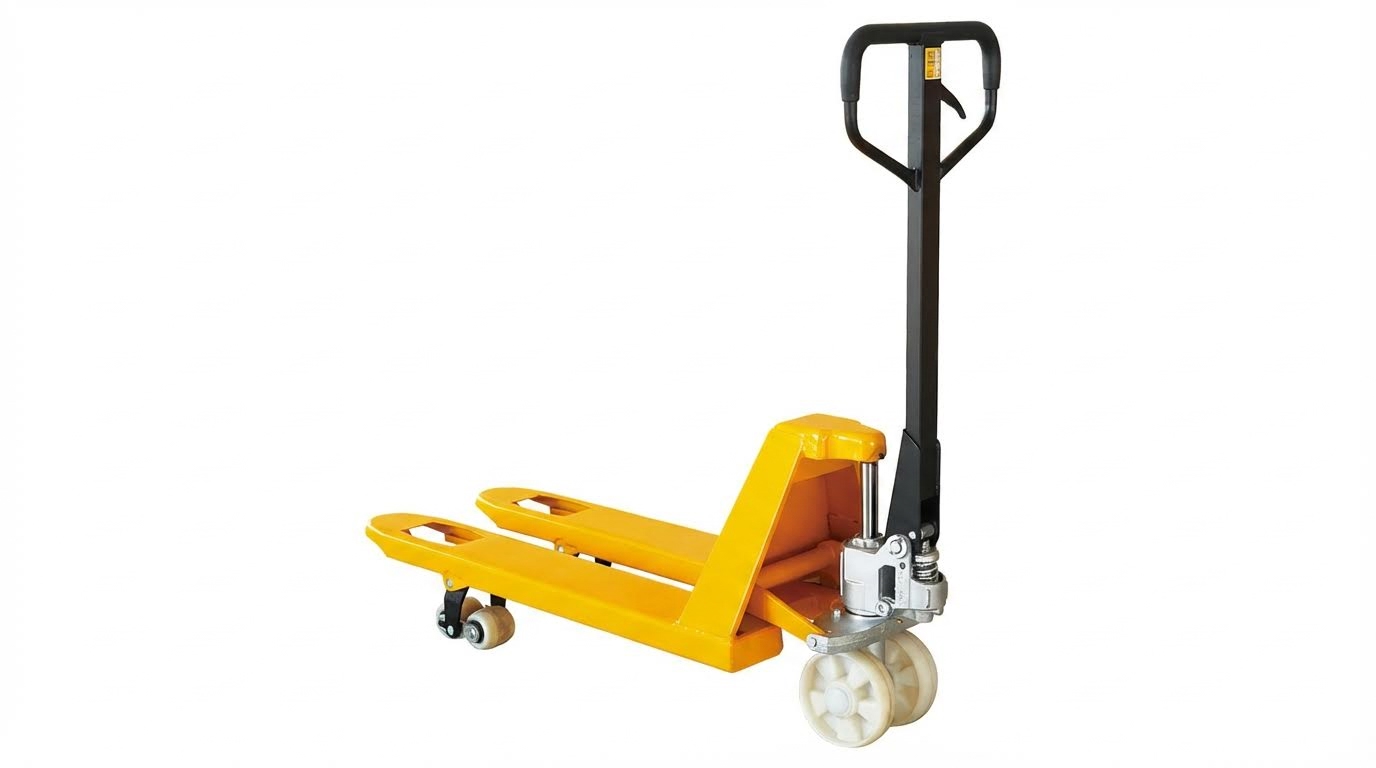
Ergonomics and total cost of ownership (TCO) are tightly linked to how to use a pallet truck safely. Poor body posture, high push–pull forces, and frequent bending increase injury risk and drive indirect costs such as lost time and turnover. In many warehouses, individual cases handled onto pallets weigh in the range of 80–100 lb, and operators often had to place the heaviest units on the bottom layer, forcing deep bending and extended reaches. Raising the bottom pallet level or using height‑adjustable equipment keeps loads closer to waist height and reduces torso bending. Some pallet trucks or add‑ons allow the load to be elevated by several inches, which helps maintain a neutral spine during case picking.
Simple engineering controls further improve ergonomics and lower life‑cycle costs. Stacking a few empty pallets on the forks or using a palletizer on top of the pallet jack can raise the working surface to a more comfortable level, reducing the need for repeated deep bending. Power equipment is generally recommended over manual handling when push–pull distances, load weights, or frequency are high, because it reduces peak forces on the shoulders and lower back. At the same time, operators should not rely on back belts; their effectiveness in preventing injuries has not been proven and they may encourage attempts to lift heavier loads than is safe. Guidance has indicated that misuse of back belts can actually increase injury risk if they give a false sense of security.
From a TCO perspective, ergonomic improvements usually pay back through lower injury rates, reduced absenteeism, and higher throughput per operator. Selecting trucks with smooth‑rolling wheels, low‑effort steering, and appropriate handle geometry reduces exertion and fatigue across a shift. Consistent inspection and maintenance—checking wheels and forks for wear, ensuring hydraulics operate smoothly, and lubricating key joints—protect the asset and limit unplanned downtime. Daily and weekly routines that include wheel cleaning, lubrication, and inspection for cracks or flat spots help keep push forces low and extend component life. When management evaluates equipment options, including these ergonomic and maintenance factors alongside purchase price gives a more accurate picture of the real cost per pallet moved.
| 人体工学 / TCO 要素 | 对安全的影响 | 对本钱的影响 |
|---|---|---|
| 装载高度调整 | 减少弯腰和歪曲,减少背部受伤 | 减少受伤索赔和丢失时间 |
| 润滑的轮子和杰出的轴承 | 减少推拉力和应变 | 更高的生产力,更少的部件磨损 |
| 守时检查和润滑 | 减少在服务中的毛病或忽然间断 | 更长的卡车寿数,更少的停机时间 |
| 恰当运用动力车和手动车 | 下降在重物或一再搬运中的手动操作风险 | 优化劳动力运用与动力及维护本钱 |
Safe pallet truck use depends on matching engineering limits with disciplined daily practice. Capacity ratings, fork geometry, and wheelbase define how much load a truck can carry and how stable it remains during turns, ramps, and stops. When operators respect these limits, keep loads low and centered, and choose the right truck and wheel type for the floor and environment, they greatly reduce tip‑over and load‑loss risk.
Daily inspection and basic hydraulic checks prevent hidden defects from turning into sudden failures. Clean, lubricated wheels and joints also cut push forces, which protects operators from strain and keeps throughput high. In powered equipment, correct battery charging and the right truck designation for hazardous areas act as primary fire and explosion controls.
Ergonomic choices—such as raising work height, using powered trucks for frequent or heavy moves, and enforcing push‑not‑pull travel—directly lower injury rates and total cost of ownership. The best practice for operations teams is clear: standardize inspections, training, and travel rules; select trucks to fit the task and environment; and treat ergonomics as an engineering requirement, not an add‑on. When these elements align, Atomoving pallet trucks support both high safety and high productivity in every shift
To work safely with a pallet truck, first inspect the wheels, handle, and lifting mechanism for damage or wear. Position the forks evenly under the pallet and ensure they are fully inserted before lifting. Avoid overloading by adhering to the truck’s weight limit. Use the handle to lift the load smoothly. Pallet Truck Safety Guide.
Common hazards include injuries from pushing or pulling over uneven surfaces, loads falling from the pallet truck, and accidents involving striking or being struck by the truck. To minimize risks, always check the equipment before use and ensure the load is secure. Pallet Truck Hazards.
一般来说,推动托盘车比拉它更安全。推动供应了更好的控制和视界,减少了事端的风险。在操作托盘车时,一直坚持安稳的速度,并避免忽然的移动。托盘车安全提示.
公 司:美国TROJAN蓄电池(中国)集团有限公司
电话:185-5442-6967
邮 箱:a18554426967@163.com